The Role of Nutrition in Supporting Hair Growth
Nov 21, 2026
Overview
Healthy hair starts with the right nutrition, as what you eat directly impacts its strength and growth. Incorporating essential nutrients like protein, biotin, and omega-3 fatty acids into your diet can significantly enhance hair vitality. By making informed dietary choices and avoiding common pitfalls, you can support your journey toward thicker, healthier hair.
Table of Contents
- Understanding the Connection Between Nutrition and Hair Growth
- Essential Nutrients Checklist for Hair Health
- Key Nutrients for Healthy Hair
- Biotin
- Vitamin D
- Iron
- Zinc
- Omega-3 Fatty Acids
- Table of Vitamins and Their Food Sources
- Diet Tips for Thicker Hair
- Incorporate Protein-Rich Foods
- Include Healthy Fats
- Stay Hydrated
- Foods to Include for Optimal Hair Health
- Leafy Greens
- Nuts and Seeds
- Fish
- Recipe Ideas Featuring Hair-Healthy Ingredients
- Common Dietary Mistakes to Avoid
- Integrating Supplements for Hair Growth
- Monitoring Your Hair Health Progress
Pros and Cons
| Advantages of Nutrition for Hair Health | Drawbacks of Dietary Choices |
|---|---|
| Supports keratin production, leading to stronger hair. | Excessive sugar intake can cause inflammation and hair loss. |
| Provides essential vitamins and minerals that promote hair growth. | Crash diets may lead to nutrient deficiencies and increased hair shedding. |
| Healthy fats nourish the scalp and improve hair moisture. | Neglecting hydration can result in dry, brittle hair. |
| Incorporating protein-rich foods enhances hair thickness. | Reliance on supplements without a balanced diet can be ineffective. |
| Variety in diet supports overall health and hair vitality. | Ignoring scalp health can hinder hair growth despite good nutrition. |
Who It's For (And Not For)
Who It's For
- Individuals Experiencing Hair Thinning or Loss: If you are noticing changes in your hair density or health, understanding nutrition can provide helpful insights and solutions.
- Health-Conscious Individuals: Those who prioritize a balanced diet and are willing to make dietary changes to support overall health and hair vitality.
- People Interested in Natural Solutions: If you prefer to enhance hair health through dietary choices rather than chemical treatments or medications, this information is for you.
- Fitness Enthusiasts: Individuals who engage in regular physical activity and want to ensure their nutrition supports both their fitness goals and hair health.
Who It's Not For
- Individuals Seeking Quick Fixes: If you are looking for immediate results without making lifestyle changes, this approach may not align with your expectations.
- People with Specific Medical Conditions: Those with underlying health issues that affect hair health may need specialized treatment beyond dietary adjustments.
- Individuals Unwilling to Change Their Diet: If you are not open to incorporating nutrient-rich foods or making healthier choices, the benefits of this information may not be realized.
- Those Relying Solely on Supplements: If you believe supplements alone can replace a balanced diet, you may not fully benefit from the comprehensive approach outlined in this article.
Frequently Asked Questions
1. What nutrients are essential for healthy hair growth?
2. How does a balanced diet impact hair health?
3. What are some food sources of biotin?
4. What common dietary mistakes should I avoid for better hair health?
5. Should I consider supplements for hair growth, and how do I choose them?
Nutrition plays a pivotal role in maintaining healthy hair and promoting growth. Understanding the connection between what you eat and the health of your hair can empower you to make informed dietary choices that enhance your hair’s vitality. This article explores essential nutrients, their benefits, and practical tips for incorporating them into your diet.
Understanding the Connection Between Nutrition and Hair Growth
Hair is primarily composed of keratin, a protein that requires specific nutrients for its production and maintenance. When your body lacks the necessary vitamins and minerals, it can lead to hair thinning and loss. A balanced diet not only supports overall health but also fosters the vitality of your hair.
Essential Nutrients Checklist for Hair Health
- Protein: The building block of keratin.
- Biotin: A vital vitamin for hair strength and growth.
- Vitamin D: Supports the hair growth cycle.
- Iron: Essential for oxygen transport to hair follicles.
- Zinc: Crucial for maintaining healthy hair follicles.
- Omega-3 Fatty Acids: Nourishes the scalp and promotes hair health.
Incorporating these nutrients into your diet can significantly impact the health and growth of your hair. Let’s delve deeper into some of the key nutrients that promote hair growth.
Key Nutrients for Healthy Hair
Several vitamins and minerals are particularly beneficial for hair growth. Understanding their roles can help you make dietary choices that support your hair health.
Biotin
Biotin is crucial for keratin production and overall hair strength. It helps improve the structure of hair, making it look thicker and healthier. Foods rich in biotin include eggs, nuts, and whole grains.
Vitamin D
Vitamin D plays a significant role in the hair growth cycle. It helps create new hair follicles, which can lead to more hair growth. You can boost your vitamin D levels by getting sunlight or consuming fortified foods like dairy products and fatty fish.
Iron
Iron is essential for maintaining healthy hair follicles, as it helps transport oxygen to the hair roots. A deficiency in iron can lead to hair loss. Incorporate iron-rich foods such as spinach, lentils, and red meat into your meals.
Zinc
Zinc is another critical mineral that supports hair health. It helps in cell reproduction and repair, ensuring that your hair remains strong and healthy. Foods high in zinc include oysters, pumpkin seeds, and chickpeas.
Omega-3 Fatty Acids
These healthy fats are vital for nourishing the scalp and promoting hair health. Omega-3 fatty acids can be found in fatty fish like salmon, walnuts, and flaxseeds.
Table of Vitamins and Their Food Sources
| Vitamin/Mineral | Food Sources |
|---|---|
| Biotin | Eggs, nuts, whole grains |
| Vitamin D | Fatty fish, fortified dairy, sunlight |
| Iron | Spinach, lentils, red meat |
| Zinc | Oysters, pumpkin seeds, chickpeas |
| Omega-3 Fatty Acids | Salmon, walnuts, flaxseeds |
By understanding these key nutrients and their sources, you can make informed dietary choices that support your hair growth journey. Eating a varied and balanced diet rich in these vitamins and minerals is a powerful way to enhance your hair health.
Diet Tips for Thicker Hair
Achieving thicker, healthier hair isn't just about what you apply externally; it greatly relies on your dietary choices. Here are some actionable tips to help you enhance your hair's thickness through nutrition:
Incorporate Protein-Rich Foods
Since hair is primarily composed of keratin, a type of protein, it is essential to include ample protein in your diet. Consider adding the following protein-rich foods:
- Lean meats: Chicken, turkey, and lean cuts of beef provide high-quality protein that supports keratin production.
- Fish: Salmon and mackerel not only offer protein but are also rich in omega-3 fatty acids, which are crucial for scalp health.
- Legumes: Beans, lentils, and chickpeas are excellent plant-based sources of protein and also provide essential nutrients.
- Dairy products: Greek yogurt and cottage cheese are not only protein-rich but also contain calcium and other vitamins beneficial for hair health.
Include Healthy Fats
Healthy fats are crucial for maintaining scalp health and providing moisture to your hair. Here are some sources of healthy fats to incorporate into your meals:
- Nuts: Almonds, walnuts, and Brazil nuts are packed with healthy fats and vitamins like E and B, which promote hair vitality.
- Seeds: Flaxseeds and chia seeds are excellent sources of omega-3 fatty acids, which can help reduce scalp inflammation.
- Avocado: This fruit is rich in monounsaturated fats and vitamin E, promoting a healthy scalp and hair.
- Olive oil: Use extra virgin olive oil in your cooking or as a salad dressing to provide healthy fats that nourish your hair.
Stay Hydrated
Hydration is often overlooked in hair health discussions. Drinking enough water is vital for overall health, including your hair. Dehydration can lead to dry, brittle hair that is more prone to breakage. Aim for at least 8 cups of water a day, and consider incorporating hydrating foods like:
- Watermelon: Packed with water content, this fruit also provides vitamins A and C.
- Cucumbers: High in water and low in calories, they can be a refreshing addition to salads.
- Celery: Another hydrating vegetable, great for snacks and salads.
Foods to Include for Optimal Hair Health
To support your hair growth journey, integrating specific foods into your diet can make a significant difference. Here are some essential foods that benefit hair health:
Leafy Greens
Leafy greens like spinach, kale, and Swiss chard are loaded with vitamins and minerals that are crucial for hair growth. They contain:
- Iron: Essential for transporting oxygen to hair follicles, promoting healthy growth.
- Vitamins A and C: These vitamins help produce sebum, the natural oil that moisturizes the scalp.
Nuts and Seeds
Nuts and seeds are not just tasty snacks; they are also powerhouses of nutrients. Consider these options:
- Walnuts: Rich in omega-3 fatty acids and biotin, which are essential for hair strength.
- Flaxseeds: A great source of omega-3s and fiber, promoting a healthy scalp.
Fish
Fish, particularly fatty fish like salmon and sardines, provide high levels of omega-3 fatty acids. These nutrients are known to:
- Promote scalp health and reduce inflammation.
- Support hair growth and thickness.
Recipe Ideas Featuring Hair-Healthy Ingredients
Here are a couple of simple recipes that incorporate hair-healthy ingredients:
- Spinach and Salmon Salad: Toss together fresh spinach, grilled salmon, avocado, and walnuts. Drizzle with olive oil for a nutrient-packed meal.
- Chia Seed Pudding: Mix chia seeds with almond milk, let it sit overnight, and top it with fresh fruits and nuts for a healthy breakfast.
By focusing on these dietary strategies and incorporating nutrient-rich foods into your meals, you can significantly enhance your hair health and support your journey toward thicker, healthier hair. Remember, consistent dietary choices are key to achieving the best results.
Common Dietary Mistakes to Avoid
When striving for optimal hair growth, it's essential to recognize and avoid common dietary pitfalls that can impede progress. Here are some key mistakes to watch out for:
- Excessive Sugar Intake: Consuming too much sugar can lead to inflammation in the body, which may disrupt the hair growth cycle. Inflammation is linked to hair thinning and loss, making it crucial to limit sugary foods and beverages.
- Crash Diets: While quick fixes may seem appealing, crash diets often result in significant nutrient deficiencies. Hair needs a variety of vitamins and minerals to thrive, and depriving your body of essential nutrients can lead to increased hair shedding.
- Neglecting Hydration: Water plays a vital role in maintaining overall health, including hair moisture and strength. Dehydration can lead to dry, brittle hair that is more prone to breakage. Aim to drink enough water throughout the day to support your body's needs.
To evaluate your dietary choices effectively, consider this decision rule: Before indulging in a snack or meal, ask yourself if it contributes positively to your overall health and hair vitality. If the answer is no, it may be time to reconsider your options.
Integrating Supplements for Hair Growth
While a balanced diet is critical for hair health, supplements can play a supportive role in filling nutritional gaps. Here’s how to effectively integrate supplements into your routine:
- Filling Nutritional Gaps: Many people struggle to get all the necessary nutrients from food alone. Supplements can help bridge these gaps, especially if you have dietary restrictions or specific health concerns.
- Biotin Supplements: Biotin is well-known for its role in promoting hair strength and appearance. Incorporating biotin supplements into your regimen may enhance keratin production, leading to healthier-looking hair.
- Consulting a Healthcare Provider: Before starting any supplement, it's advisable to consult with a healthcare provider. They can offer personalized advice based on your individual needs and health status, ensuring that you choose the right supplements for your hair health.
When selecting hair health supplements, consider the following guidelines:
- Look for products that contain essential vitamins and minerals, such as biotin, vitamin D, iron, and zinc.
- Choose supplements from reputable brands that adhere to high-quality standards.
- Check for third-party testing to ensure the product's potency and safety.
Monitoring Your Hair Health Progress
Tracking your hair health progress is vital for understanding what works best for you. Here are effective methods to monitor improvements in your hair:
- Keep a Hair Diary: Document any changes in hair thickness, growth rate, and overall health. Note any dietary changes or new supplements you’ve introduced, which can help identify what contributes positively to your hair growth.
- Regularly Assess Scalp Health: Pay attention to your scalp’s condition, as a healthy scalp is crucial for hair growth. Look for signs of irritation, dryness, or excess oil, and adjust your hair care routine accordingly.
- Consult with a Professional: If you notice significant changes in your hair health, consider consulting with a dermatologist or trichologist. They can provide expert advice and may recommend specific treatments or lifestyle changes to support your hair goals.
To help you track your progress, create a simple progress tracking template. Include sections for:
- Date
- Hair thickness (1-10 scale)
- Growth rate (inches per month)
- Scalp condition (notes)
- Dietary changes
- Supplements taken
Regularly reviewing this information can offer valuable insights into what strategies are working and where adjustments may be needed. By staying proactive and engaged with your hair health journey, you can better support your hair growth objectives.
Glossary
| Term | Meaning |
|---|---|
| Keratin | A protein that makes up hair, requiring specific nutrients for its production. |
| Biotin | A vitamin essential for hair strength and growth, found in eggs and nuts. |
| Vitamin D | A nutrient that aids in the hair growth cycle and follicle creation. |
| Iron | Mineral crucial for oxygen transport to hair follicles, preventing hair loss. |
| Zinc | A mineral that supports hair follicle health and cell repair. |
| Omega-3 Fatty Acids | Healthy fats that nourish the scalp and promote hair vitality. |
| Hydration | Essential for maintaining moisture in hair, preventing brittleness. |
| Crash Diets | Extreme dieting that can lead to nutrient deficiencies and hair shedding. |
| Supplements | Products that provide additional nutrients to support hair health. |
| Scalp Health | The condition of the scalp, crucial for promoting healthy hair growth. |
Linked Product

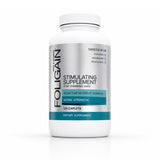
FOLIGAIN® Biotin Fast Dissolve Supplement For Healthier-Looking Hair
FOLIGAIN® Biotin Fast Dissolve Supplement is formulated to nourish hair from within by delivering biotin, a nutrient that supports keratin production for stronger and more resilient hair. The quick dissolve tablets come in a delicious cherry flavor, making it easy to incorporate into your daily routine, whether at home or on the go. Additionally, this supplement supports healthy skin and nails, providing comprehensive beauty benefits.
View Product