Seasonal Changes and Their Impact on Hair Growth
Nov 10, 2026
Overview
Seasonal changes significantly affect hair growth, making it vital to adjust your hair care routine throughout the year. By understanding the unique challenges and benefits each season brings, you can implement practical strategies to maintain healthy hair. From enhancing hydration in spring to protecting against winter dryness, tailored care can promote stronger, more vibrant hair year-round.
Table of Contents
- Introduction to Seasonal Hair Growth
- Spring: A Time for Renewal
- Benefits of Spring for Hair Growth
- Spring Hair Care Tips
- Summer: The Heat and Humidity Challenge
- Heat Damage and Dryness
- Humidity and Frizz
- Fall: Shedding Season
- Natural Shedding Patterns
- What to Expect
- Normal vs. Excessive Shedding
- Winter: Protecting Against Harsh Conditions
- Challenges of Winter Hair Care
- Winter Hair Care Routine
- Nutritional Support for Seasonal Changes
- Key Nutrients for Hair Health
- FOLIGAIN® for Hair Health
- Integrating Supplements into Your Diet
- Embrace Seasonal Changes for Healthier Hair
- Your Winter Hair Care Checklist
Pros and Cons
| Advantages of Seasonal Hair Care | Drawbacks of Seasonal Hair Care |
|---|---|
| Increased sunlight in spring boosts vitamin D, promoting hair growth. | Summer heat can lead to dryness and brittleness in hair. |
| Humidity in spring helps keep hair hydrated. | Excessive humidity in summer can cause frizz and unruly hair. |
| Recognizing seasonal shedding in fall helps manage expectations. | Fall shedding may cause anxiety about hair health. |
| Winter routines can strengthen hair against cold and dryness. | Indoor heating can exacerbate dryness and scalp issues in winter. |
| Nutritional support can enhance hair health throughout the year. | Adapting routines for each season can be time-consuming. |
Who It's For (And Not For)
Who It's For
- Individuals Experiencing Seasonal Hair Changes: If you notice fluctuations in your hair health with the changing seasons, this guide is for you. Understanding how to adapt your routine can help.
- People Seeking to Improve Hair Growth: Those looking to enhance their hair growth through seasonal adjustments and nutritional support will benefit from the tips provided.
- Anyone Interested in Hair Health: If you are proactive about maintaining the health of your hair and scalp, the strategies discussed will be valuable.
Who It's Not For
- Individuals with Severe Hair Loss Issues: If you are experiencing significant hair loss or medical conditions affecting your hair, it’s best to consult a healthcare professional rather than solely relying on seasonal tips.
- People Uninterested in Hair Care: If you don’t prioritize hair health or are not willing to adjust your routine, this information may not resonate with you.
- Those with Specific Allergies: If you have allergies to certain hair care ingredients or supplements, be cautious and consult a professional before trying new products or routines.
Frequently Asked Questions
1. How do seasonal changes affect hair growth?
2. What are some benefits of spring for hair growth?
3. What challenges does summer pose for hair health?
4. Why does hair shedding increase in the fall?
5. What should I do to protect my hair in winter?
Understanding how seasonal changes impact hair growth is essential for anyone looking to maintain healthy hair. Hair growth cycles are influenced not only by genetics but also significantly by environmental factors such as temperature, humidity, and sunlight. By recognizing these seasonal patterns, individuals can better manage their hair health and adapt their care routines accordingly.
Introduction to Seasonal Hair Growth
Hair growth is a complex biological process that typically follows a cycle comprising three phases: anagen (growth), catagen (transitional), and telogen (resting). These cycles can be influenced by various external factors, including seasonal changes. As temperatures rise and fall throughout the year, so do the conditions that affect our hair. Understanding these changes allows individuals to implement effective strategies to manage hair health, particularly if they are experiencing thinning hair.
Spring: A Time for Renewal
Spring is often considered a season of renewal, and this revitalizing energy extends to our hair as well. As the days grow longer and the sun shines brighter, several factors contribute positively to hair growth during this time.
Benefits of Spring for Hair Growth
- Increased Sunlight: The return of sunlight boosts vitamin D levels, which plays a crucial role in hair follicle cycling and growth.
- Warmer Temperatures: As temperatures rise, blood circulation to the scalp improves, promoting a healthier environment for hair to thrive.
- Increased Moisture: Spring often brings higher humidity levels, which can help keep hair hydrated and reduce dryness.
Spring Hair Care Tips
To make the most of the spring season for your hair, consider the following tips:
- Stay Hydrated: Ensure you drink plenty of water. Hydration is key to maintaining healthy hair.
- Use a Lightweight Conditioner: Opt for a conditioner that won't weigh your hair down but still provides necessary moisture.
- Incorporate Sun Protection: Just as you protect your skin from UV rays, consider using hair products that offer UV protection to shield your strands.
- Maintain a Balanced Diet: A diet rich in vitamins and minerals can support hair health. Incorporate foods high in biotin, zinc, and omega-3 fatty acids.
- Consider Nutritional Supplements: Supplements like FOLIGAIN® can provide targeted nutritional support that promotes healthy hair growth from within.
By adjusting your hair care routine to align with the positive influences of spring, you can enhance your hair's vitality and overall appearance. These simple yet effective changes can help you combat any seasonal impact on hair growth, ensuring that your hair remains strong and healthy as it transitions into the warmer months.
Summer: The Heat and Humidity Challenge
As the temperature rises and the days grow longer, summer brings both opportunities and challenges for our hair. While the sunshine can enhance our mood, it can also lead to specific hair health issues that require attention.
Heat Damage and Dryness
The intense heat of summer can strip moisture from your hair, leading to dryness and brittleness. When hair lacks hydration, it becomes more susceptible to damage from styling tools and environmental factors. Here are some tips to mitigate heat damage:
- Hydrate Regularly: Drink plenty of water to keep your hair and scalp hydrated from within.
- Use a Hydrating Shampoo: Look for sulfate-free shampoos that retain moisture.
- Deep Conditioning Treatments: Incorporate weekly deep conditioning masks to restore moisture.
Humidity and Frizz
Humidity can be a double-edged sword. While it can help keep your hair hydrated, excessive moisture in the air often leads to frizz and unruly strands. Here’s how you can manage humidity:
- Anti-Frizz Products: Use serums or creams specifically designed to combat frizz.
- Loose Hairstyles: Opt for braids or buns that minimize exposure to humidity.
- Don’t Overwash: Washing your hair too frequently can strip natural oils, making it more prone to frizz.
When selecting hair products for summer, consider the following decision rule:
- If your hair feels dry and brittle, prioritize hydrating and nourishing products.
- If your hair is frizzy due to humidity, focus on smoothing and anti-frizz formulations.
Fall: Shedding Season
As summer fades and autumn arrives, many people notice an increase in hair shedding. This seasonal shedding is entirely natural, but understanding its causes can help alleviate concerns.
Natural Shedding Patterns
Hair growth cycles can be influenced by seasonal changes. Typically, during the fall, individuals may experience a greater amount of hair loss as part of the natural hair cycle. This process can be alarming, but it is essential to recognize that shedding is a normal aspect of hair growth.
What to Expect
In the fall, it’s common to lose more hair than usual. This increase in shedding can be attributed to a few factors:
- Seasonal Change: As temperatures drop, hair may enter a resting phase, leading to more noticeable shedding.
- Environmental Factors: The transition to cooler, drier air can impact scalp health and hair moisture levels.
Normal vs. Excessive Shedding
Understanding the difference between normal shedding and excessive hair loss is crucial. Here’s a simple guide:
| Normal Shedding | Excessive Shedding |
|---|---|
| Up to 100 strands per day | More than 100 strands per day |
| Hair regrows in a few weeks | Hair does not regrow or thins significantly |
| Part of natural hair cycle | May indicate underlying health issues |
If you notice an increase in shedding that seems excessive, it may be worth consulting a healthcare professional. Additionally, nutritional support can play a vital role in managing hair health through the seasonal changes. Supplements like FOLIGAIN® can help provide essential vitamins and minerals that support normal hair growth and scalp health.
As you navigate through the seasonal changes, remember that proactive care and awareness can significantly improve your hair health. Adjusting your hair care routine according to the season will not only help manage shedding but also promote a healthier scalp and stronger hair.
Winter: Protecting Against Harsh Conditions
As winter rolls in, many individuals notice a significant change in their hair and scalp health. The cold air outside can lead to dryness and brittleness, making hair more prone to breakage. Additionally, indoor heating systems, while keeping us warm, can exacerbate these issues by stripping moisture from the air and our hair. Understanding how to protect your locks during this season is crucial for maintaining healthy hair.
Challenges of Winter Hair Care
Winter presents specific challenges that can affect the overall condition of your hair:
- Dryness: Cold air holds less moisture, leading to dry hair and scalp. This can result in increased frizz and static.
- Brittleness: Lack of moisture can cause hair strands to become brittle, making them more susceptible to breakage.
- Scalp Issues: Indoor heating can lead to a dry scalp, which may cause irritation and flaking.
Winter Hair Care Routine
To combat the harsh conditions of winter, consider the following adjustments to your hair care routine:
- Hydrating Shampoos and Conditioners: Use products that are specifically formulated to hydrate and nourish your hair. Look for ingredients like argan oil, shea butter, and glycerin.
- Limit Heat Styling: Reduce the use of heat styling tools, as they can further dry out your hair. If necessary, use a heat protectant spray to minimize damage.
- Deep Conditioning Treatments: Incorporate weekly deep conditioning masks into your routine to restore moisture and strengthen your hair.
- Protective Hairstyles: Consider wearing protective hairstyles that minimize manipulation and reduce exposure to cold air.
- Humidity Control: Use a humidifier in your home to maintain moisture levels in the air, which can benefit both your skin and hair.
Nutritional Support for Seasonal Changes
In addition to adjusting your hair care routine, it’s essential to focus on nutrition to support hair health during the winter months. Certain vitamins and minerals can play a significant role in maintaining healthy hair growth and mitigating the effects of seasonal changes.
Key Nutrients for Hair Health
Consider incorporating the following nutrients into your diet to support your hair during winter:
- Biotin: This B vitamin is crucial for hair health, promoting the production of keratin, which strengthens hair strands.
- Vitamin D: Essential for hair follicle cycling, vitamin D can be challenging to obtain in winter months due to reduced sunlight exposure. Consider supplements or fortified foods.
- Omega-3 Fatty Acids: Found in fish and flaxseeds, these fatty acids help nourish the hair and scalp, contributing to overall health.
- Zinc and Iron: Important for maintaining healthy hair growth, these minerals can be found in lean meats, legumes, and nuts.
FOLIGAIN® for Hair Health
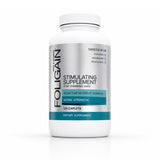
Incorporating supplements like FOLIGAIN® can provide targeted nutritional support for those experiencing thinning hair. The FOLIGAIN® Stimulating Supplement for Hair Growth delivers a blend of vitamins, minerals, and botanicals designed to nourish hair from within. This supplement targets multiple hair pathways and supports overall follicle health, making it an excellent addition to your winter regimen.
Integrating Supplements into Your Diet
To maximize the benefits of nutritional support for your hair, consider these tips for integrating supplements into your daily routine:
- Consistency is Key: Take your supplements daily to ensure your body receives the necessary nutrients consistently.
- Pair with Meals: Taking supplements with meals can improve absorption and reduce potential stomach discomfort.
- Stay Hydrated: Drink plenty of water to help your body process vitamins and minerals effectively.
Embrace Seasonal Changes for Healthier Hair
Adapting your hair care routine and focusing on nutritional support during the winter months can significantly improve the health of your hair. Awareness of the seasonal impact on hair growth allows you to implement proactive measures that can mitigate negative effects. By making these adjustments, you can maintain vibrant, healthy hair year-round.
Your Winter Hair Care Checklist
Here’s a handy checklist to help you adapt your hair care routine for winter:
- Use hydrating shampoos and conditioners.
- Limit heat styling and use protective sprays.
- Incorporate weekly deep conditioning treatments.
- Wear protective hairstyles.
- Consider a humidifier for your home.
- Focus on a nutrient-rich diet or supplements like FOLIGAIN®.
By following these guidelines, you can ensure that your hair remains healthy and resilient, no matter the season. Embrace the changes and take charge of your hair care routine for a vibrant mane all winter long!
Glossary
| Term | Meaning |
|---|---|
| Hair Growth Cycle | The biological process of hair growth, including anagen, catagen, and telogen phases. |
| Anagen Phase | The active growth phase of hair, where hair follicles produce new hair. |
| Catagen Phase | The transitional phase where hair growth slows and follicles prepare to enter rest. |
| Telogen Phase | The resting phase of hair growth, where old hair falls out and new growth begins. |
| Hydration | The process of maintaining moisture in hair and scalp for health and vitality. |
| Frizz | Unruly hair caused by humidity or lack of moisture, resulting in a rough texture. |
| Deep Conditioning | A treatment that restores moisture and strengthens hair, typically done weekly. |
| Nutritional Support | Vitamins and minerals that promote healthy hair growth and overall scalp health. |
| FOLIGAIN® | A brand of supplements designed to support hair health and growth. |
| Protective Hairstyles | Styles that minimize hair manipulation and protect hair from environmental damage. |
Linked Product

FOLIGAIN® Stimulating Supplement for Hair Growth 120 Caplets
The FOLIGAIN® Stimulating Supplement for Hair Growth provides targeted nutritional support to help maintain healthy hair growth from within. Formulated with vitamins, minerals, amino acids, and botanicals, it addresses multiple pathways to support the normal hair growth cycle and overall follicle health. This supplement is designed for both men and women, making it a convenient addition to any daily hair care routine.
View Product