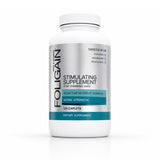
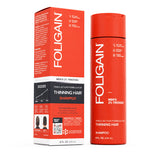
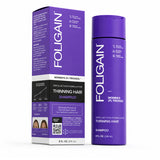
Exploring Topical Treatments for Thinning Hair
Nov 04, 2026
Overview
Thinning hair can be a distressing experience for many, but understanding its causes and exploring effective topical treatments can lead to improved hair health. This guide provides insights into the mechanisms and benefits of various treatments, including TRIOXIDIL®, while offering practical application tips to maximize results. By taking informed steps, you can enhance your hair's density and overall appearance.
Table of Contents
- Understanding Thinning Hair
- Common Causes of Thinning Hair
- Importance of Addressing Thinning Hair Early
- Overview of Topical Treatments
- How Topical Treatments Work
- Topical Treatments vs. Oral Treatments
- Common Ingredients Found in Topical Treatments
- The Role of TRIOXIDIL® in Hair Growth
- Mechanism of Action of TRIOXIDIL®
- Clinical Studies Supporting TRIOXIDIL® Effectiveness
- How TRIOXIDIL® Compares to Other Active Ingredients
- Application Techniques for Topical Treatments
- Step-by-Step Application Process for Optimal Results
- Frequency of Application and Dosage Considerations
- Common Mistakes to Avoid During Application
- Expected Results and Timeline
- Typical Timeline for Visible Results
- Factors That Influence Effectiveness
- Importance of Combining Treatments with a Healthy Lifestyle
- Potential Side Effects and Considerations
- Common Side Effects Associated with Topical Treatments
- When to Consult a Healthcare Professional
- Importance of Patch Testing New Products
- Next Steps for Hair Health
Pros and Cons
| Advantages of Topical Treatments | Drawbacks of Topical Treatments |
|---|---|
| Localized application reduces the risk of systemic side effects. | Potential for scalp irritation and dryness. |
| Easy to incorporate into daily routines. | Results may take 3 to 6 months to become noticeable. |
| Common ingredients like TRIOXIDIL® show promising clinical effectiveness. | Requires consistent application for optimal results. |
| Can be combined with a healthy lifestyle for enhanced results. | Some users may experience unwanted hair growth in unintended areas. |
Who It's For (And Not For)
Who It's For
- Individuals Experiencing Thinning Hair: If you have noticed signs of thinning hair, such as increased shedding or wider part lines, topical treatments may be beneficial.
- People Seeking Non-Invasive Solutions: Those who prefer to avoid oral medications and their potential systemic side effects may find topical treatments a suitable alternative.
- Individuals Committed to Consistent Care: If you are ready to follow a regular application routine and combine treatments with a healthy lifestyle, you are likely to see better results.
- Those Interested in Specific Ingredients: If you want to explore products with active ingredients like TRIOXIDIL® or minoxidil, topical treatments offer a targeted approach.
Who It's Not For
- Individuals with Severe Hair Loss: If you are experiencing significant hair loss or have underlying health issues, consulting a healthcare professional is crucial before starting any treatment.
- Those Seeking Immediate Results: If you are looking for quick fixes, be aware that visible results from topical treatments typically take several months to appear.
- People Unwilling to Commit: If you are not ready to adhere to a daily application routine, the effectiveness of topical treatments may be compromised.
- Individuals with Sensitive Scalp Conditions: If you have a history of scalp irritation or allergies, it’s important to conduct patch tests and consult a professional before using new products.
Frequently Asked Questions
1. What is thinning hair?
2. What are the common causes of thinning hair?
3. How do topical treatments for thinning hair work?
4. What is TRIOXIDIL® and how does it help with hair growth?
5. What are the expected timelines for seeing results from topical treatments?
Thinning hair affects millions of individuals, often leading to distress and a search for effective solutions. Understanding the underlying causes and exploring topical treatments can empower you to make informed decisions about your hair health. This guide delves into the complexities of thinning hair and introduces the various topical treatments available, focusing on their mechanisms, effectiveness, and application methods.
Understanding Thinning Hair
Thinning hair refers to a decrease in hair density, which can manifest as wider part lines, more visible scalp, or an overall reduction in hair volume. It is a common issue that affects both men and women, with various factors contributing to this condition.
Common Causes of Thinning Hair
- Genetics: Hereditary hair loss, commonly known as androgenetic alopecia, significantly impacts both men and women.
- Hormonal Changes: Fluctuations in hormones, especially during pregnancy, menopause, or due to thyroid issues, can lead to thinning hair.
- Lifestyle Factors: Stress, poor diet, and lack of proper hair care can exacerbate hair thinning. Nutritional deficiencies, particularly in vitamins and minerals essential for hair health, may also play a role.
Importance of Addressing Thinning Hair Early
Recognizing the signs of thinning hair early can be crucial in preventing further loss. Early intervention may lead to better outcomes and more effective treatment options. Here’s a quick checklist to help you identify thinning hair:
- Increased hair shedding during washing or styling.
- Wider part lines or more visible scalp.
- Thinner ponytails or decreased volume.
- Changes in hair texture or growth patterns.
Overview of Topical Treatments
Topical treatments for thinning hair are products applied directly to the scalp to stimulate hair growth and improve hair density. These treatments often contain active ingredients designed to promote a healthier scalp environment and enhance hair follicles' performance.
How Topical Treatments Work
Topical treatments deliver active ingredients directly to the scalp, where they can penetrate hair follicles. This localized application ensures that the treatment targets the areas most affected by thinning hair. Common mechanisms of action include:
- Improving blood circulation to the scalp.
- Reducing inflammation that may inhibit hair growth.
- Nourishing hair follicles with essential nutrients.
Topical Treatments vs. Oral Treatments
While oral hair loss treatments can be effective, they often come with systemic side effects. In contrast, topical treatments generally have a localized effect, minimizing the risk of widespread side effects. Here’s a comparison of the two:
| Aspect | Topical Treatments | Oral Treatments |
|---|---|---|
| Application | Applied directly to the scalp | Ingested via pills or capsules |
| Side Effects | Localized, often fewer side effects | Potential for systemic side effects |
| Onset of Results | May see results in a few months | Varies, often longer |
| Convenience | Easy to incorporate into daily routine | Requires adherence to a regimen |
Common Ingredients Found in Topical Treatments
When exploring topical treatments for thinning hair, it's essential to be aware of the active ingredients that contribute to their effectiveness. Here are some common ingredients:
- Minoxidil: Widely known for its ability to stimulate hair growth and increase hair follicle size.
- TRIOXIDIL®: A unique ingredient designed to support thicker-looking hair and a healthier scalp environment. It works by targeting the hair follicles directly.
- Ketoconazole: Often found in anti-dandruff shampoos, it helps reduce scalp inflammation and improve hair health.
Understanding these ingredients can help you make more informed choices when selecting a hair growth treatment. Always consult with a healthcare provider for personalized advice tailored to your specific needs.
The Role of TRIOXIDIL® in Hair Growth
TRIOXIDIL® is a key ingredient in many topical treatments for thinning hair, recognized for its specific benefits in promoting hair growth. Understanding how TRIOXIDIL® works can help you make informed decisions about your hair loss treatments.
Mechanism of Action of TRIOXIDIL®
TRIOXIDIL® operates through a triple action mechanism designed to support thicker-looking hair and a healthier scalp environment. This formulation targets hair follicles directly, aiming to enhance blood circulation and nutrient delivery, which is crucial for hair health. By stimulating the hair follicles, TRIOXIDIL® encourages the growth phase of hair while potentially prolonging the lifecycle of existing hair strands.
Clinical Studies Supporting TRIOXIDIL® Effectiveness
Numerous clinical studies have examined the effectiveness of TRIOXIDIL® in hair growth treatments. Research indicates that when used as directed, TRIOXIDIL® can help prevent hair loss and promote the appearance of thicker hair. These studies often compare TRIOXIDIL® with other active ingredients, showing promising results in both efficacy and user satisfaction.
How TRIOXIDIL® Compares to Other Active Ingredients
When evaluating hair growth treatments, it's essential to understand how TRIOXIDIL® stacks up against other common ingredients like minoxidil and finasteride. Here’s a brief comparison:
| Ingredient | Mechanism | Effectiveness | Usage |
|---|---|---|---|
| TRIOXIDIL® | Enhances blood flow and follicle nutrient delivery | Clinically proven to support hair density | Topical application, easy to use |
| Minoxidil | Vasodilator that widens blood vessels | Effective for many users, requires consistent use | Topical application, available in various strengths |
| Finasteride | Inhibits hormone that contributes to hair loss | Effective for male pattern baldness | Oral medication, requires prescription |
This table illustrates how TRIOXIDIL® offers a unique approach to hair growth, focusing on both scalp health and hair follicle stimulation. Its formulation is specifically tailored for individuals experiencing thinning hair, making it a vital consideration for anyone seeking effective hair loss treatments.
Application Techniques for Topical Treatments
Proper application of topical treatments is essential for maximizing their effectiveness. Here are some best practices to ensure you achieve optimal results.
Step-by-Step Application Process for Optimal Results
- Clean the Scalp: Start with a clean scalp. Wash your hair with a gentle shampoo to remove any product buildup.
- Dry Your Hair: Pat your hair dry with a towel. Avoid rubbing, as this can irritate the scalp.
- Apply the Treatment: Using the applicator, apply the topical treatment directly to the thinning areas of your scalp. Ensure even distribution.
- Massage Gently: Use your fingertips to gently massage the treatment into your scalp. This helps improve absorption.
- Let It Dry: Allow the treatment to dry completely before styling your hair. This usually takes about 20-30 minutes.
Frequency of Application and Dosage Considerations
Most topical treatments for thinning hair, including those with TRIOXIDIL®, require consistent application for best results. Typically, treatments are applied once or twice a day, depending on the product's instructions. Adhering to the recommended dosage is crucial, as over-application does not necessarily lead to faster results and can increase the risk of side effects.
Common Mistakes to Avoid During Application
To ensure you’re getting the most out of your hair growth treatment, avoid these common pitfalls:
- Skipping Applications: Consistency is key. Skipping days can hinder progress.
- Applying to Wet Hair: Ensure your scalp is dry before application to enhance absorption.
- Using More Product Than Recommended: More is not always better. Stick to the recommended amount.
- Neglecting Scalp Health: Maintain a healthy scalp through regular cleansing and moisturizing.
By following these guidelines for application, you can enhance the effectiveness of your topical treatments and support your journey towards healthier, fuller-looking hair.
Expected Results and Timeline
When embarking on a journey with topical treatments for thinning hair, it is crucial to set realistic expectations regarding the timeline for visible results. Generally, users can anticipate seeing some initial effects within a few months of consistent use. However, the extent and speed of results can vary significantly based on several factors.
Typical Timeline for Visible Results
Most users may start noticing changes in their hair density and overall scalp health within 3 to 6 months. Here’s a breakdown of the expected timeline:
- 1 Month: Initial use may promote scalp health and hydration, but visible changes are typically not evident.
- 3 Months: Some users report a reduction in hair loss and the appearance of new hair growth starting to emerge.
- 6 Months: More noticeable improvements in hair density and thickness can often be observed.
- 12 Months: Optimal results are usually achieved; full effects of the treatment become apparent.
Factors That Influence Effectiveness
Several factors can influence how effective hair loss treatments are for individuals:
- Consistency: Regular and correct application of the treatment is vital. Missing doses can impede progress.
- Individual Response: Each person's hair growth cycle and response to treatment can vary, impacting results.
- Underlying Health Issues: Conditions such as hormonal imbalances or nutritional deficiencies can affect hair growth.
- Combination with Healthy Lifestyle: Maintaining a balanced diet, managing stress, and avoiding harmful habits can enhance the effectiveness of treatments.
Importance of Combining Treatments with a Healthy Lifestyle
While topical treatments like TRIOXIDIL® can significantly aid in hair growth, they work best when complemented by a healthy lifestyle. Incorporating a balanced diet rich in vitamins and minerals, staying hydrated, and managing stress levels can support overall hair health. Regular exercise also improves blood circulation, which can further benefit scalp health.
Potential Side Effects and Considerations
As with any treatment, it is essential to be aware of potential side effects associated with topical treatments for thinning hair. Understanding these can help users make informed decisions and monitor their experiences effectively.
Common Side Effects Associated with Topical Treatments
While many users tolerate topical treatments well, some may experience side effects. Common issues include:
- Scalp Irritation: Mild redness or itching at the application site is common, especially when starting treatment.
- Dryness: Some formulations may lead to dryness of the scalp, necessitating the use of a moisturizing scalp product.
- Unwanted Hair Growth: In rare cases, hair may grow in unintended areas if the product drips or spreads during application.
When to Consult a Healthcare Professional
If side effects persist or worsen, users should consult a healthcare professional. Additionally, individuals experiencing significant hair loss or underlying health concerns should seek advice before starting any new treatment regimen. A healthcare provider can offer personalized recommendations based on individual health profiles and hair loss conditions.
Importance of Patch Testing New Products
Before fully committing to a new topical treatment, conducting a patch test is advisable. This involves applying a small amount of the product to a discreet area of the scalp and monitoring for any adverse reactions over 24 hours. This step is essential to ensure that the product is suitable for your skin type and to minimize potential side effects.
Next Steps for Hair Health
Exploring topical treatments for thinning hair can be a transformative step in your hair health journey. By understanding what to expect and how to manage potential side effects, you can navigate this path with confidence. Remember, it’s essential to consult with a healthcare provider to tailor your approach to your specific needs.
For those looking to delve deeper into hair health, consider exploring resources such as:
- FOLIGAIN® Hair Health Blog for tips and insights.
- Comprehensive guides on hair loss treatments.
- Frequently Asked Questions for clarifications on your concerns.
By staying informed and proactive, you can achieve the healthiest hair possible.
Glossary
| Term | Meaning |
|---|---|
| Thinning Hair | A decrease in hair density, often resulting in wider part lines and visible scalp. |
| Androgenetic Alopecia | Hereditary hair loss affecting both men and women. |
| TRIOXIDIL® | An active ingredient that promotes thicker hair and a healthier scalp. |
| Minoxidil | A common treatment that stimulates hair growth and enlarges hair follicles. |
| Scalp Irritation | Mild redness or itching that may occur at the application site. |
| Topical Treatments | Products applied directly to the scalp to stimulate hair growth. |
| Patch Testing | A method to check for adverse reactions by applying a small amount of product to the skin. |
| Application Frequency | How often a treatment should be applied, typically once or twice daily. |
| Nutritional Deficiencies | Lack of essential vitamins and minerals that can contribute to hair thinning. |
| Hair Growth Cycle | The natural phases of hair growth, shedding, and rest that vary by individual. |
Linked Product

FOLIGAIN® Triple Action Complete Formula For Thinning Hair For Men 10% TRIOXIDIL®
The FOLIGAIN® Triple Action Complete Formula for Thinning Hair for Men features 10% TRIOXIDIL® to support thicker-looking hair and a healthier scalp environment. Its targeted formula is designed for men experiencing thinning hair, utilizing advanced delivery technology to ensure key ingredients reach the scalp effectively. This lightweight, clean formula is easy to apply and supports overall hair and scalp wellness.
View Product